I chose the 2 preceding examples partly because Zusne, Jones, and Diaconis are widely regarded as being among the
more moderate critics of parapsychology. The uncritical attitude exhibited
in these examples is extremely widespread among those who call themselves skeptics in this area. Thus, it seems to me
that skeptic is an appropriate label for this group. I agree with Paul Kurtz
that the term skeptic should not be restricted to those who, like Paul Feyerabend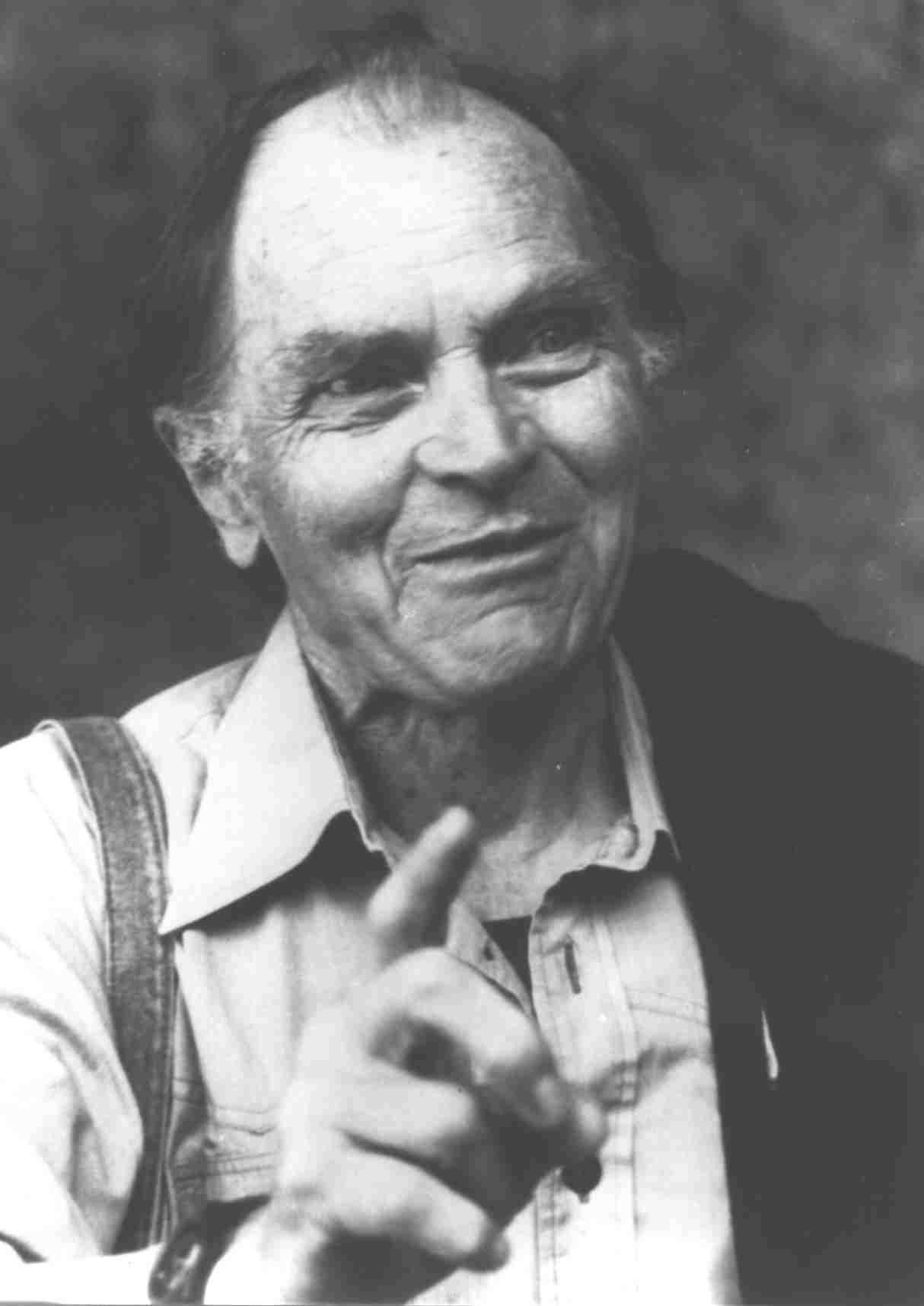 , contend that the scientific method
cannot lead to even approximate truth. But I hope he would agree with me that to go to the other extreme and suggest
that a skeptical person need only be skeptical about hypotheses he or she dislikes for some a priori reason is equally
indefensible. Though I cannot stop these people from applying this label to themselves, I do not have to join them in
what I consider to be a misleading use of language. Marcello Truzzi
, contend that the scientific method
cannot lead to even approximate truth. But I hope he would agree with me that to go to the other extreme and suggest
that a skeptical person need only be skeptical about hypotheses he or she dislikes for some a priori reason is equally
indefensible. Though I cannot stop these people from applying this label to themselves, I do not have to join them in
what I consider to be a misleading use of language. Marcello Truzzi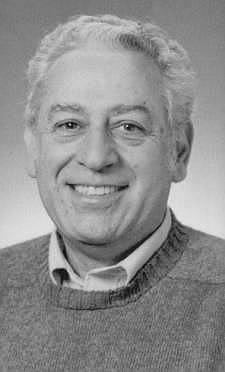 (in press) has also
criticized the inappropriate use of the term skeptic on grounds similar to my own.
(in press) has also
criticized the inappropriate use of the term skeptic on grounds similar to my own.
As a nonpejorative substitute for skeptic, I propose the term conventional theorist (or CT, for short). I choose this term because the one positive thing erstwhile skeptics seem to share is a commitment to the view that conventional scientific theory provides adequate explanations for OPEs. I hope that others will join me in using it, or at least be more circumspect in their use of the term skeptic.
I do not wish to leave the impression that all erstwhile skeptics are CTs. Some critics of parapsychology, especially many of those who identify themselves with the field to some degree, are demonstrably capable of consistently adopting a critical attitude toward conventional explanations of OPEs while denying that the existence of psi has been established. For this group, the label skeptic remains appropriate. Unfortunately, they constitute a small minority.
I fear that some of you may find all this concern with labels a bit sophomoric, and I sympathize. The problem is that, regrettably, the psi controversy has a considerable rhetorical element to it that infects even its more intellectual levels. An important component of this rhetorical battle is the use of labels that have a positive valence for one's own group and labels that have a negative valence for the opposition. The term skeptic has positive valence in a scientific context because of its appeal to the important principle of critical doubt. Although the appropriate use of labels can have a beneficial effect on scientific discourse, their misuse can give an unfair advantage to the guilty side, particularly in communicating with outsiders. Thus I feel I have good reason to be concerned about CTs who call themselves skeptics and thereby mask their lack of a uniformly critical attitude.
The CT's lack of skepticism does not necessarily imply incompetence or generalized loose thinking. Ironically, this uncritical attitude has a basis in critical philosophy, and it is to these more abstract issues that I now wish to turn.